Natural stone has shaped architecture and interior design for centuries. Today, a newer category of materials is changing how homeowners, designers, and architects approach countertops, walls, facades, furniture, and outdoor spaces: Mineral Surfaces.
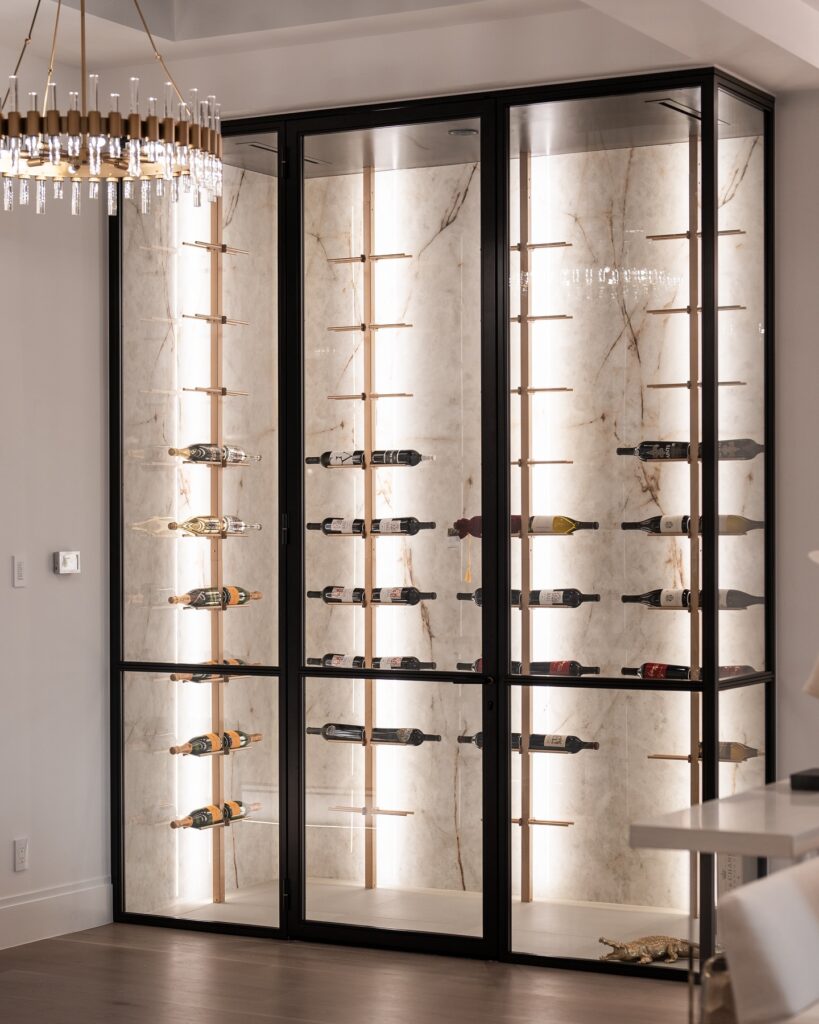
Many people mistakenly assume Mineral Surfaces are natural stone, engineered quartz, or simply another name for porcelain. However, Mineral Surfaces belong to their own category of advanced materials. In fact, the International Surface Fabricators Association (ISFA) recognizes them as a distinct surface category.
At Luz Concept 5, we specialize in fabricating and installing Mineral Surfaces throughout Sarasota and beyond. In this guide, you’ll discover what Mineral Surfaces are, how manufacturers produce them, and why homeowners, designers, and architects increasingly choose them for residential and commercial projects.
What Are Mineral Surfaces?
Mineral Surfaces are slabs produced from a carefully selected blend of natural minerals.
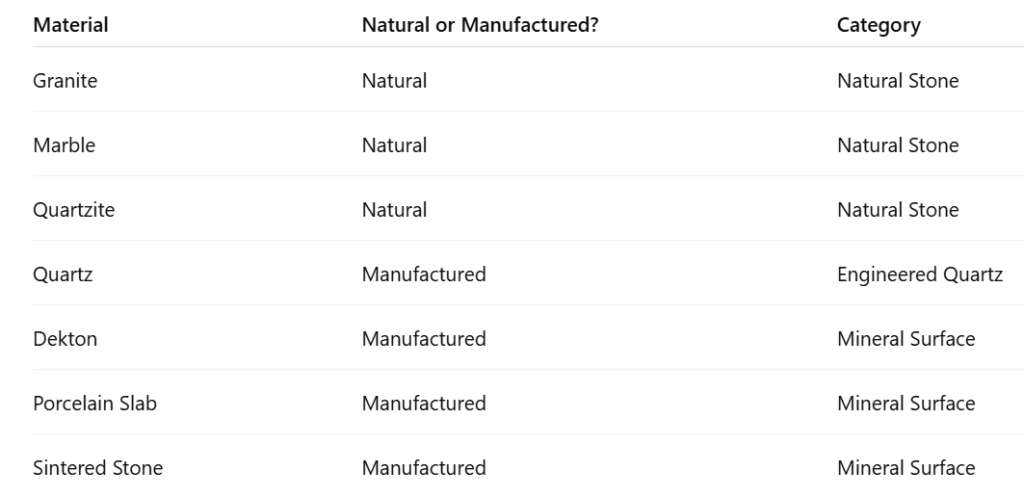
Unlike granite, marble, and quartzite, which are extracted directly from the earth, Mineral Surfaces are manufactured using advanced processes that combine heat, pressure, and mineral-based ingredients to create highly durable, low-porosity surfaces.
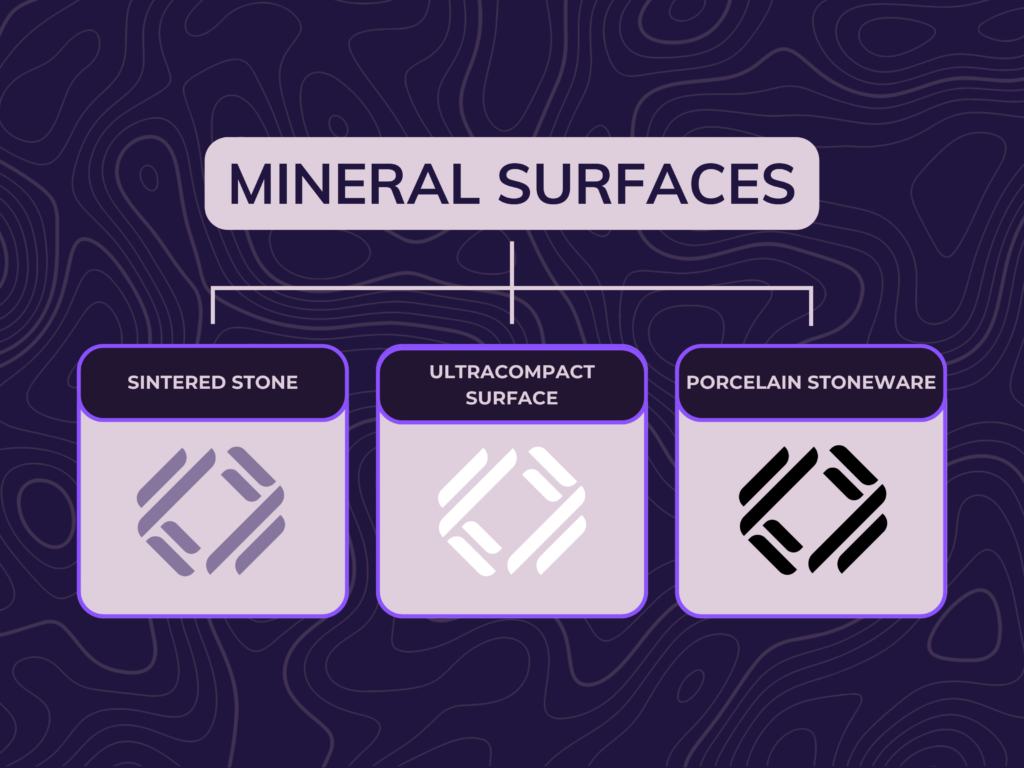
The New Surfaces category includes:
- Sintered Stone
- Porcelain Slab
- Ultracompact Surfaces such as Dekton
Although each material is manufactured differently, they all share similar performance characteristics and belong to the same family of mineral-based surfaces.
Mineral Surfaces Are Not Natural Stone
One of the biggest misconceptions about Mineral Surfaces is that they are natural stone.
However, granite, marble, and quartzite come directly from the earth. Because nature forms them over millions of years, every slab has unique variations.
By comparison, manufacturers engineer from mineral-based ingredients and produce them under controlled conditions. As a result, they achieve exceptional durability, consistency, and design flexibility.
Mineral Surfaces Are Not Quartz
Dekton, Porcelain and Sintered stone are also different from engineered quartz.
Traditional quartz surfaces are produced using crushed quartz combined with resins and pigments.
Mineral Surfaces use mineral-based ingredients that are fused through heat and pressure rather than resin-based manufacturing methods.
As a result, it offers superior resistance to heat, UV exposure, staining, and weather conditions.
What Is Porcelain, Dekton and Sintered Stone Made Of?
While formulations vary by manufacturer, Mineral Surfaces commonly contain:
- Kaolin clay
- Zircon
- Glass
- Hematite
- Feldspar
- Other natural minerals
These ingredients are blended and transformed into dense, high-performance slabs through specialized manufacturing processes.
How Are Mineral Surfaces Manufactured?
Mineral Surfaces are manufactured using a process commonly known as sinterization.
During this process, mineral particles are exposed to extremely high temperatures and pressure. The particles fuse together into a solid, compact surface without relying on traditional resin binders.
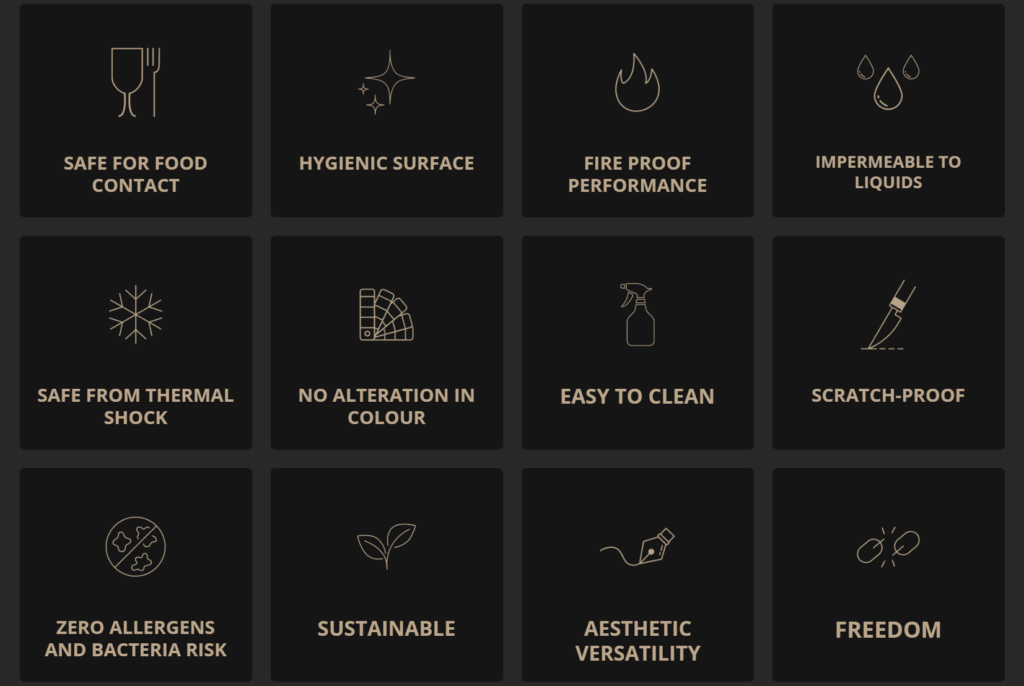
The result is a highly durable material that offers:
- Hygienic surface that helps reduce bacteria and germs
- Safe for food contact
- No liquid absorption (non-porous behavior)
- Stable under temperature changes
- Color stays consistent over time
- Strong scratch durability
Available Effects and Visual Styles
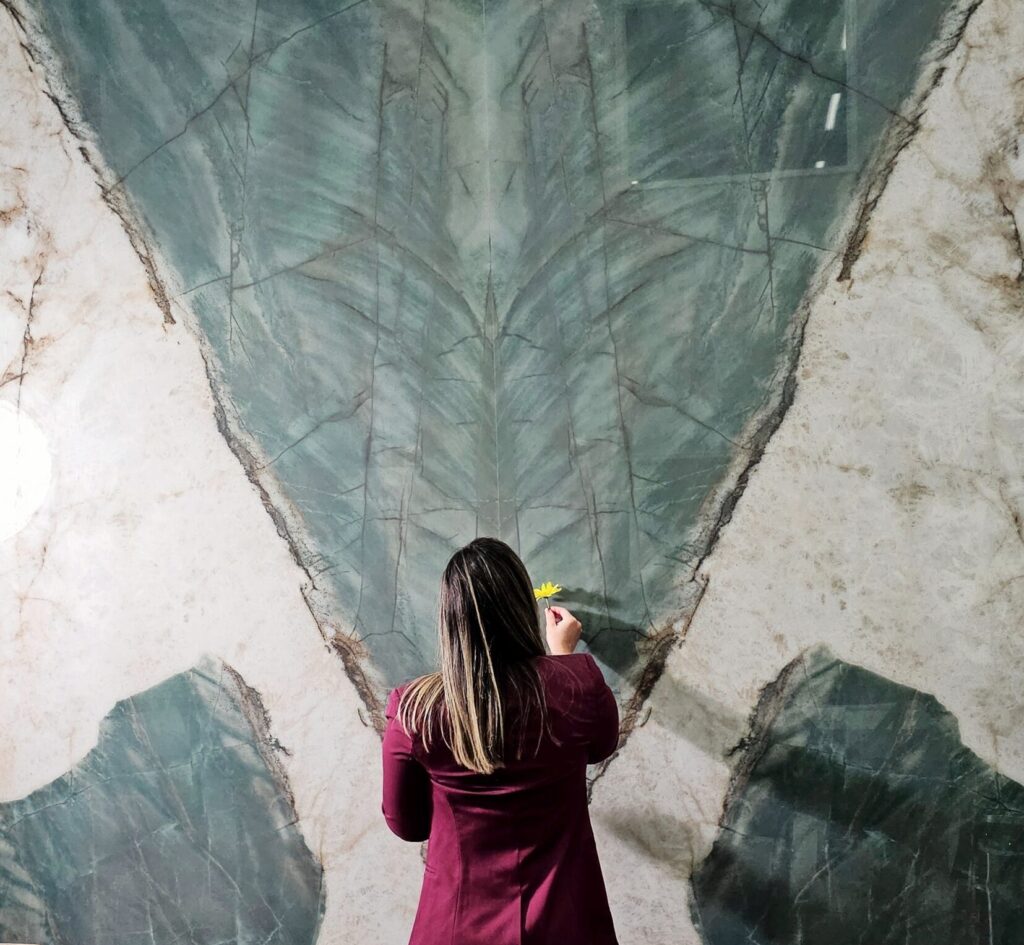
One of the biggest advantages of Mineral Surfaces is their ability to replicate a wide variety of materials and aesthetics.
Popular effects include:
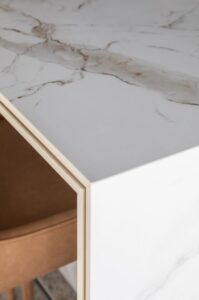
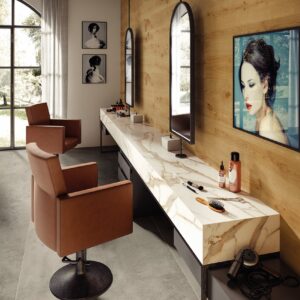
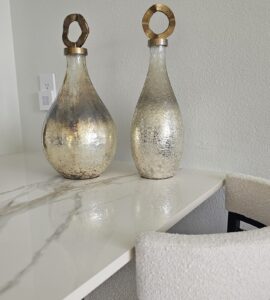
- Marble effect
- Quartzite effect
- Concrete effect
- Metal effect
- Terrazzo effect
- Onyx effect
- Mosaic effect
- Wood effect

Available Finishes
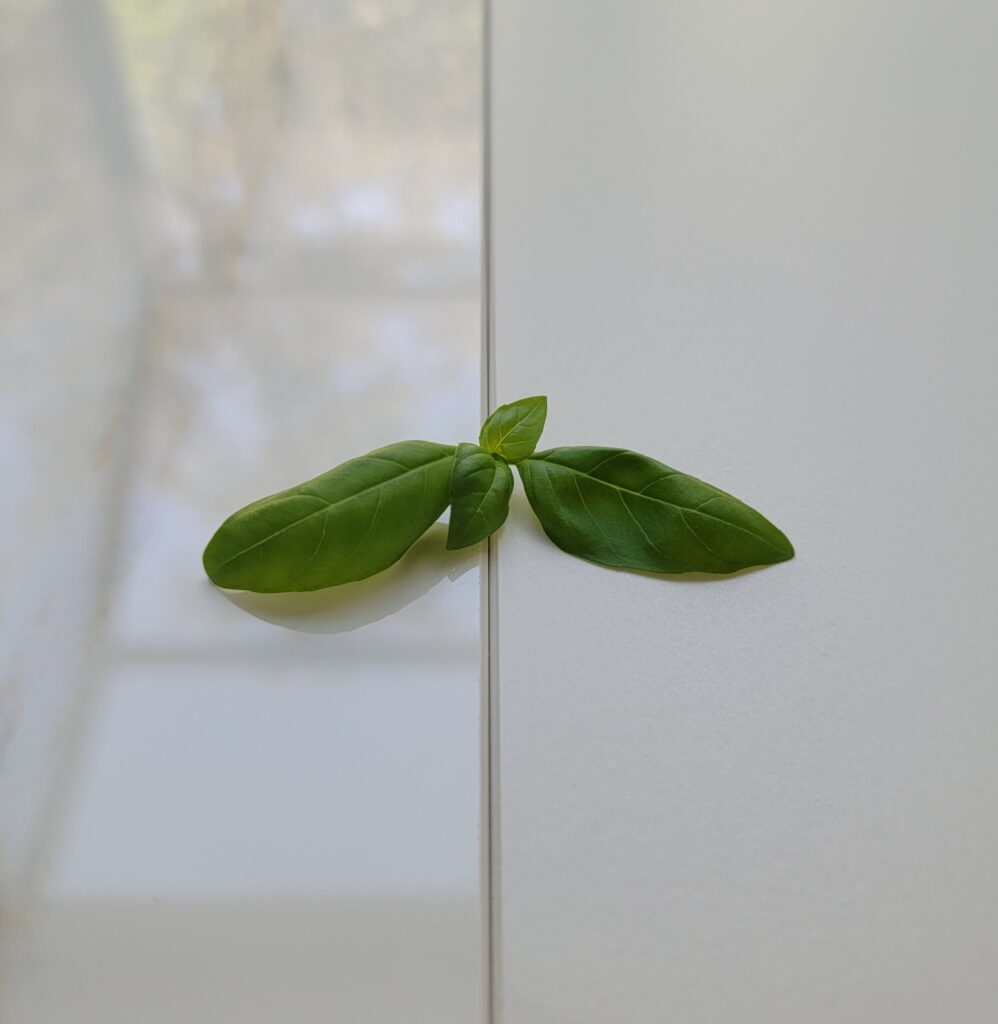
Mineral Surfaces are available in multiple finishes, allowing designers to create different visual and tactile experiences.
Popular finishes include:
Why Fabrication Matters
Not all fabricators have experience working with Mineral Surfaces.
Porcelain slabs, sintered stone, and ultracompact surfaces require specialized equipment, cutting techniques, and installation expertise.
Improper fabrication can result in:
- Chipping
- Cracking
- Edge failures
- Installation delays
Fabricators and installers must understand these differences because each material’s unique composition and manufacturing process directly influences the fabrication process. Consequently, some materials will require more time and specific tools for cutting, both in the controlled environment of a shop and the dynamic conditions of a job site.
To illustrate, the greater hardness of Dekton compared to sintered stone means installers will encounter considerably more difficulty when making necessary adjustments on location, increasing the risk of chipping, cracking, or needing specialized and time-consuming techniques.
Working with an experienced fabrication company helps ensure the best possible outcome.
Choosing the right fabrication team makes all the difference.
Luz Concept 5 provides expert fabrication and installation for porcelain, sintered stone, and ultracompact surfaces.
👉 Get in touch with us to make sure your project is done right from the start.
Mineral Surface Fabrication and Installation in Sarasota
Luz Concept 5 specializes in fabrication and installation throughout Sarasota.
Our expertise includes:
- Porcelain slab fabrication
- Sintered stone fabrication
- Dekton fabrication
- Countertop installation
- Wall cladding
- Fireplace surrounds
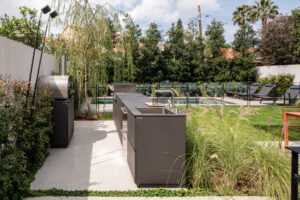
- Outdoor kitchens
- Invisacook-compatible countertops
Applications of Mineral Surfaces
Mineral Surfaces can be used for:
- Kitchen countertops
- Bathroom vanities
- Shower walls
- Fireplace surrounds
- Furniture
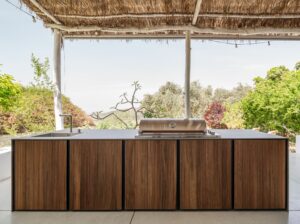
- Outdoor kitchens
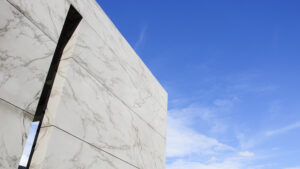
- Facades
- Commercial spaces
Their combination of durability and design flexibility makes them one of the most versatile materials available today.
Integrated Technology & Smart Living:
These materials are not only durable and design-focused. They also support modern smart living solutions that integrate technology directly into the countertop.
This creates a clean, minimal, and highly functional space. Common integrations include:
Invisible Cooking Systems:
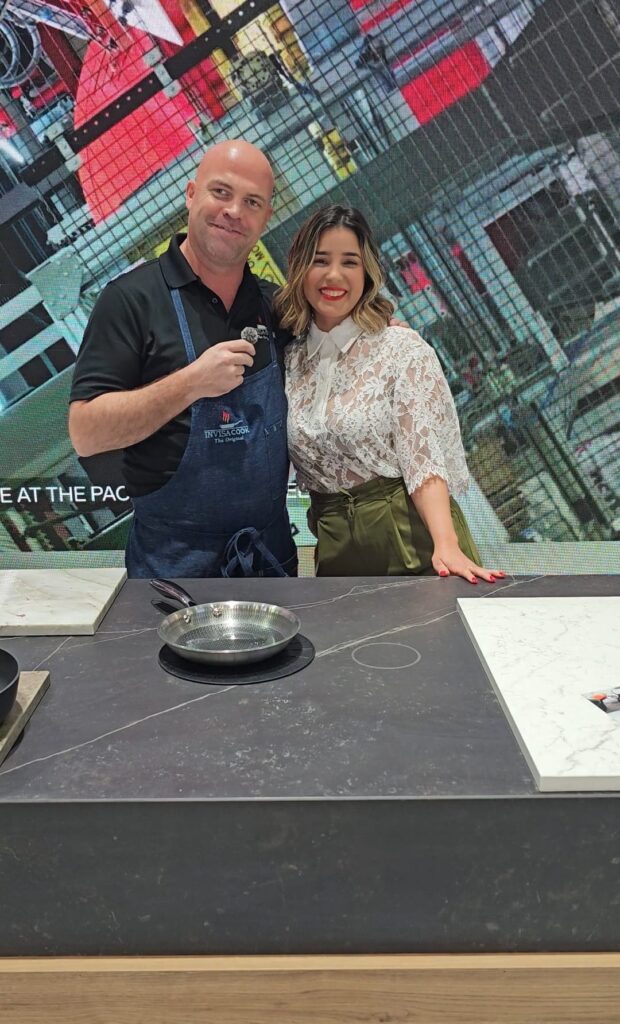
Technologies like Invisacook allow induction cooking systems to be installed beneath the surface, turning the countertop into a cooking zone when needed and keeping it completely clean when not in use
Wireless Charging:
Systems such as Invisacharge enable phones to charge directly through the countertop surface, eliminating cables and clutter.
Cooling Technology Countertops:
While less common for entire countertops, cooling elements can be integrated for specific zones or applications, ideal for keeping beverages or food chilled directly on the surface.
Integrated Switches:
Invisa-switches, often paired with these systems, allow for touch-activated controls for lighting or other functions, enhancing the minimalist design and user experience.
These innovations transform your surfaces into multifunctional design elements that support both aesthetics and technology.
Learn More
The Hidden Danger in Stone Fabrication: Understanding Crystalline Silica and Safer Alternatives
Explore the Trusted Brands of Mineral Surfaces
Inspiring Porcelain Countertop Edge Profiles
Experience seamless cooking in your Sarasota home with Invisacook’s hidden technology
Explore weatherproof cabinet systems + Dekton outdoor countertops
Discover the simplicity of wireless charging with Invisacharge countertops
Why Slabs are the Future of Terrazzo in Sarasota Interiors – SLAB PORCELAIN X TILE
Explore UMI Stone porcelain slabs available for your next design project